
Well, we are all trying to save where we can and I have started by trying to grow a “self-sufficiency” garden in the backyard. I have spent hours watching various youtube videos to try find what works and many seem to just not be as great. Our conditions are different to other countries and so is our soil. What works for them just don’t always work for us. This process has been a huge learning curve for me and many weeks, months and years spent on ways that just DOES NOT WORK. Seeds that just never grow, plants getting damaged in weather, rodents from the fields behind the house coming to feed on my seeds (yes you read it right!). They literally dig out my beans, peas, mango, avocado and coffee seeds as well as sunflower seeds and nibble it right there.
I have also been trying to harvest seeds from spoilt fruits and veg in order to plant without having to go about an expense to buy seeds, and the other day I had a butternut, some gem squash and a white pumpkin which I removed seeds from. I set these seeds out to dry a little and forgot to put them in a ziplock baggie before going back inside. The next morning there were scraps of seeds all over the workbench and what was in separate parts of the table was all jumbled up and scattered. Needless to say, I planted what I managed to save into pots named “lucky packet – pumpkin/squash/b.nut”.
I finally have managed to get the hang of how to prep the seeds, when to plant, what soils work, what needs to soak first before planting, and what all lives in my fridge for the first 90 days of stratifying the seeds before planting them. Let me know what type of seeds you would love to find guides on and I will gladly share my experiences in growing and what worked for me.
I also harvest seeds from shop spoiled apricots, peaches, nectarines, plums etc. and I more often than not end up forgetting which one it was that I set out to dry earlier the week so I have loads of “lucky packet – peach/nectarine” plants. I use bags and tags provided in my shop under This Link.
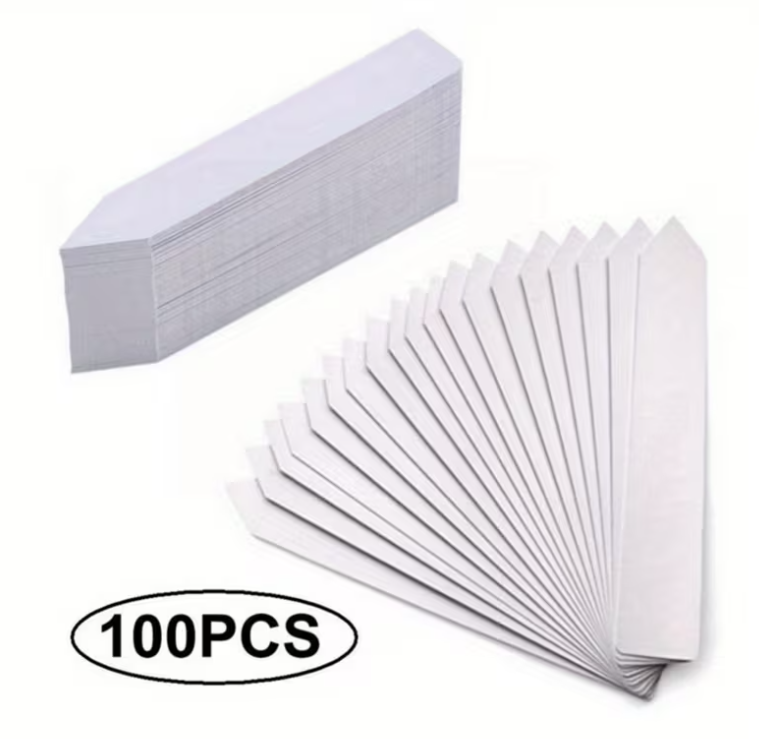
These are perfect for putting in the small seedling trays and at their price its quite useful as it’s tiny and not too bulky and in the way when watering.
These are the ideal size for when I repot my seedlings into their individual bigger pots – small enough not to be an eye-sore and big enough not to become lost in the pot.

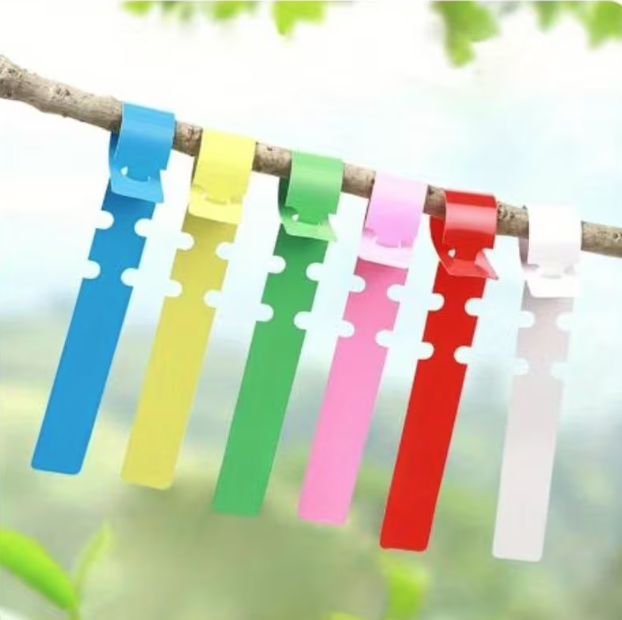
I use these for all my fruit / nut tree plants. To be entirely honest, their quality is not the same as the more expensive brands and they are stiff to work with but at the rate that I use them it saves me loads using these instead of the proper ones and they still do the exact same job.
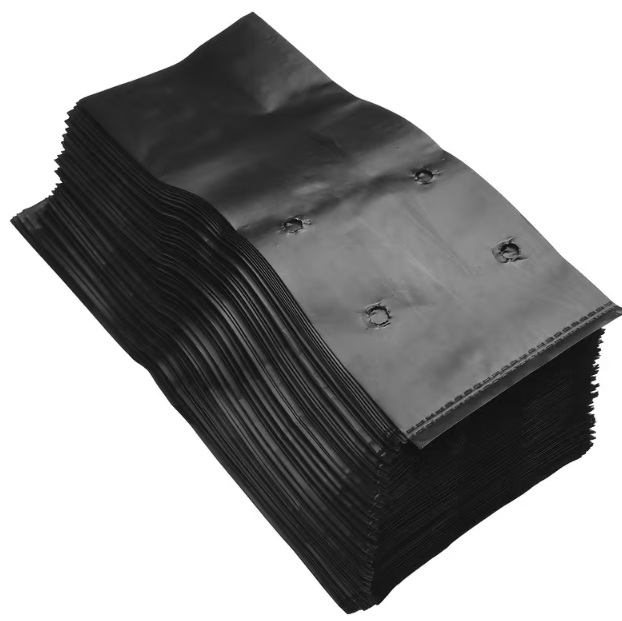
I also repurpose a lot of old junk (milk cartons, 1L and 2L plastic bottles, Yogurt containers, buckets etc.), but I have also been using a lot of these planter bags.
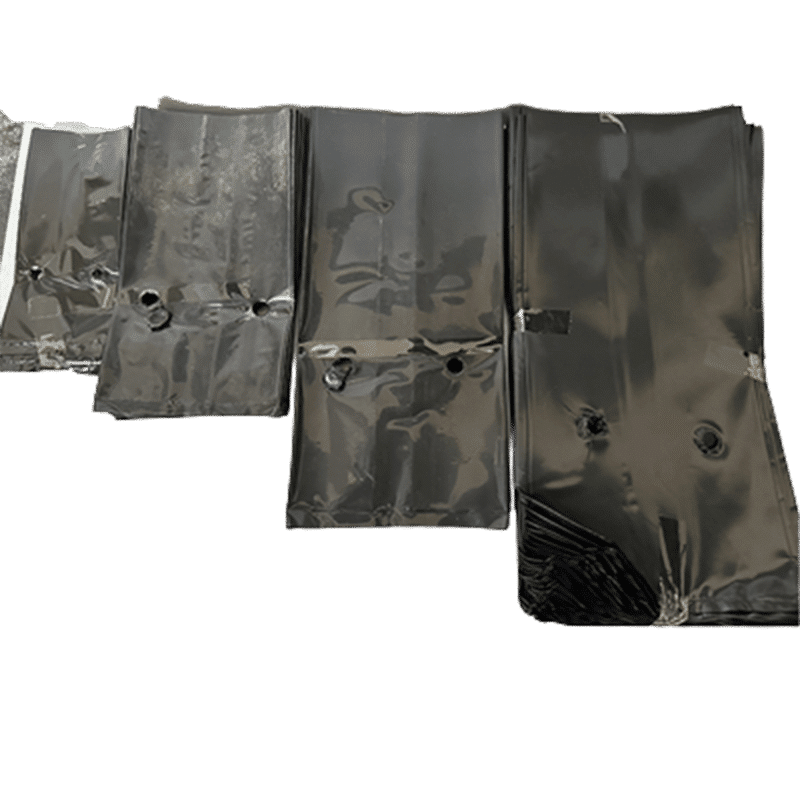
I generally use size C3 the most as it is not too big for growing strawberries and herbs and not too small to put in my fruit trees till they reach about 3yr old, when they move to bigger bags.
The plants I am keeping are the only ones I generally put directly in pots, the rest all go into these planting bags.
These are the ones that work well for me. Maybe they will be an excellent choice for you as well.
I will add a couple of pictures soon to give you an idea. My better half builds me what I need in the line of Planter boxes, seedling tables, potting bays and trellis. Trust me, you need no carpenting skills to do this. He is rather new to testing the waters with woodworking and although its not “professionally made” it serves it’s purpose and I love it. At the same time he is able to learn something with each one he makes and improves each one a little more than the previous.
I also rely a lot on this downloadable pdf for a GARDENING CALENDER I found on www.wonder.co.za , especially for South African climates. Their products are absolutely amazing and although quite costly it is well worth the money on the long run.
I have made myself loads of printables that I use often to try and figure out which plants to grow together with others and which to keep far away from each other. I will be uploading these all in due time, so keep an eye open for what is to come.
PS – I have read up on a couple of tips and tricks to try out to keep the rats from coming to snack in the garden at night and will be posting another issue on what I tried, what worked and what failed.
Discover more from Froozle
Subscribe to get the latest posts sent to your email.